Exploring the Enigma of the Moon Rabbit's Origin
- Annabella Tehenics
- 4 hours ago
- 4 min read
The Moon Rabbit is a fascinating figure that has captured the imagination of cultures around the world. This mythical creature, often depicted as a rabbit pounding rice cakes on the moon, is steeped in rich folklore and symbolism. But where did this enchanting legend originate? In this blog post, we will explore the various cultural interpretations of the Moon Rabbit, its significance, and how it has evolved over time.

The Mythical Origins of the Moon Rabbit
Ancient Roots in Asian Cultures
The Moon Rabbit is most prominently featured in East Asian folklore, particularly in Chinese, Japanese, and Korean traditions. In Chinese mythology, the Moon Rabbit is associated with the goddess Chang'e, who resides on the moon. According to the legend, Chang'e consumed an elixir of immortality and ascended to the moon, where she was accompanied by the rabbit. This rabbit is often depicted as a diligent worker, tirelessly pounding ingredients to create rice cakes, known as mochi.
In Japan, the Moon Rabbit is known as "Tsuki no Usagi." The Japanese version of the myth shares similarities with the Chinese tale, but it also incorporates unique elements. For instance, the Japanese believe that the rabbit is making mochi for the moon goddess, and it is often depicted in traditional art during the harvest moon festival, known as Tsukimi.
The Korean Interpretation
Korean folklore also features the Moon Rabbit, known as "Daljjabi." Similar to its Chinese and Japanese counterparts, the Daljjabi is said to be pounding rice cakes on the moon. In Korea, the legend is often associated with the harvest moon festival, where families gather to celebrate the full moon and enjoy traditional foods, including songpyeon, a type of rice cake.
Symbolism and Cultural Significance
The Moon Rabbit symbolizes various themes across cultures, including fertility, abundance, and the cyclical nature of life. In many Asian cultures, rabbits are seen as symbols of prosperity and good fortune. The act of pounding rice cakes is significant, as it represents preparation and sustenance, linking the Moon Rabbit to the agricultural cycles that are vital for survival.
The Moon Rabbit in Western Culture
While the Moon Rabbit is primarily rooted in Asian folklore, it has also made its way into Western culture, albeit in different forms. The idea of a rabbit on the moon can be traced back to early European astronomy, where the moon's surface was often personified.
The Influence of Literature and Art
In Western literature, the Moon Rabbit has appeared in various forms, often as a whimsical character in children's stories. For example, in Lewis Carroll's "Alice's Adventures in Wonderland," the character of the White Rabbit embodies some of the traits associated with the Moon Rabbit, such as being busy and somewhat anxious.
Artists have also depicted the Moon Rabbit in various works, often drawing inspiration from the enchanting tales of the East. The blending of these cultural narratives has led to a unique interpretation of the Moon Rabbit in Western art, where it is often portrayed as a symbol of mystery and magic.
The Moon Rabbit in Modern Media
Animation and Film
In recent years, the Moon Rabbit has gained popularity in modern media, particularly in animation and film. Animated films often depict the Moon Rabbit as a cute and friendly character, appealing to children and families. For instance, in the animated movie "Over the Moon," the story revolves around a young girl who embarks on a journey to meet the Moon Goddess and her rabbit companion. This film not only brings the legend to life but also introduces it to a new generation.
Video Games and Pop Culture
The Moon Rabbit has also found its way into video games and pop culture. Characters inspired by the Moon Rabbit appear in various games, often as magical creatures or companions. This trend highlights the enduring appeal of the Moon Rabbit and its ability to resonate with audiences across different mediums.
The Moon Rabbit's Connection to Festivals
Moon Festivals Around the World
The Moon Rabbit is closely tied to various moon festivals celebrated around the world. These festivals often coincide with the harvest moon, a time when communities come together to celebrate the bounty of the earth.
Mid-Autumn Festival (China): This festival is one of the most significant celebrations in Chinese culture, where families gather to admire the full moon and enjoy mooncakes. The Moon Rabbit is a central figure in the festivities, symbolizing unity and abundance.
Tsukimi (Japan): The Japanese harvest moon festival involves viewing the moon and offering rice dumplings to the Moon Rabbit. This tradition emphasizes gratitude for the harvest and the importance of family.
Chuseok (Korea): Similar to the Mid-Autumn Festival, Chuseok is a time for families to come together, pay respects to ancestors, and enjoy traditional foods. The Moon Rabbit is often mentioned in stories shared during this time.
The Role of the Moon Rabbit in Celebrations
During these festivals, the Moon Rabbit serves as a reminder of the importance of community, gratitude, and the cyclical nature of life. The stories and traditions surrounding the Moon Rabbit encourage people to reflect on their connections to nature and each other.
The Moon Rabbit in Art and Literature
Artistic Representations
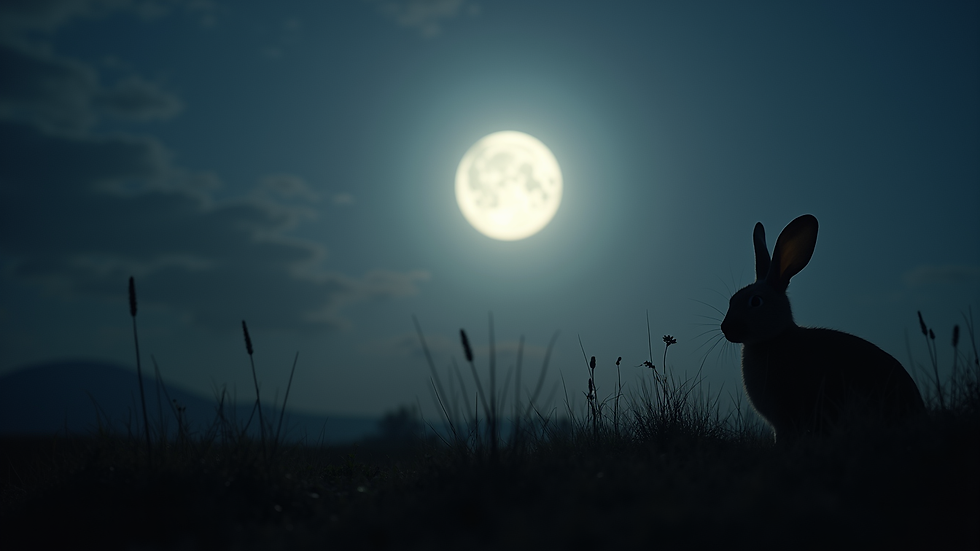
The Moon Rabbit has inspired countless artists throughout history. From traditional paintings to modern illustrations, the imagery of the Moon Rabbit often evokes feelings of nostalgia and wonder. Artists frequently depict the rabbit in serene moonlit landscapes, emphasizing its connection to the night sky.
Literary References
In literature, the Moon Rabbit has been referenced in various poems and stories, often symbolizing dreams and aspirations. Writers use the Moon Rabbit as a metaphor for the pursuit of one's goals, drawing parallels between the rabbit's tireless work and the human experience.
Conclusion
The Moon Rabbit is more than just a mythical creature; it is a symbol of cultural heritage, community, and the beauty of nature. Its origins in Asian folklore have transcended borders, inspiring stories, art, and celebrations around the world. As we continue to explore the enigma of the Moon Rabbit, we are reminded of the rich tapestry of human experience and the connections that bind us all.
As you gaze at the moon, take a moment to reflect on the stories and traditions that have shaped our understanding of this enchanting figure. Whether through festivals, art, or literature, the Moon Rabbit invites us to celebrate the beauty of life and the bonds we share with one another.
Comments